Mindfulness • Odak

9 Haz 2026

Mindfulness İş Hayatında Gerçekten İşe Yarar mı?

Kurumların Görünmeyen Maliyeti

Stresin yüksek olduğu, motivasyonun düştüğü ve çalışan bağlılığının zayıfladığı ortamlarda hiçbir performans uzun süre sürdürülebilir olmaz. Bugün birçok kurum farkında olmadan şu maliyetleri taşır: Tükenmişlik Düşük motivasyon İletişim kopuklukları Artan çalışan devri (turnover) Ve bu maliyet çoğu zaman raporlarda görünmez, ama sonuçlarda net hissedilir.

Why Human-Centered Design Still Wins

Design evolves quickly, but the most memorable digital experiences continue to be rooted in empathy. When you prioritize human needs—clarity, comfort, and intuitive flow—your product becomes more than functional. It becomes meaningful. Users instinctively understand where to go, what to do, and why your brand matters.

The Power of Emotional Connection

Emotion plays a critical role in digital behavior. A seamless, aesthetically balanced interface can guide actions subtly and effectively. When a brand communicates with clarity and calmness, users move through the experience with confidence. This connection isn’t accidental—it’s designed.

Key Principles for Human-First Digital Products

Here are foundational principles that ensure your design remains human, intentional, and memorable:

  • Reduce friction to help users complete tasks effortlessly.

  • Maintain visual clarity through spacing, hierarchy, and simplified layouts.

  • Use purposeful motion to guide attention, not distract it.

  • Focus on accessibility so every user can engage meaningfully.

  • Write with empathy to reinforce the brand’s human voice.

Balancing Strategy and Creativity

A strong digital product requires both structured thinking and expressive creativity. Strategy ensures your solutions align with business objectives. Creativity brings emotional impact. Together, they build experiences that resonate, convert, and endure.

The Future of Human Digital Design

As AI and automation shape new interaction patterns, designers must remain advocates for clarity and real connection. Technology should support humanity—not replace it. Those who master this balance will define the next generation of digital experiences.
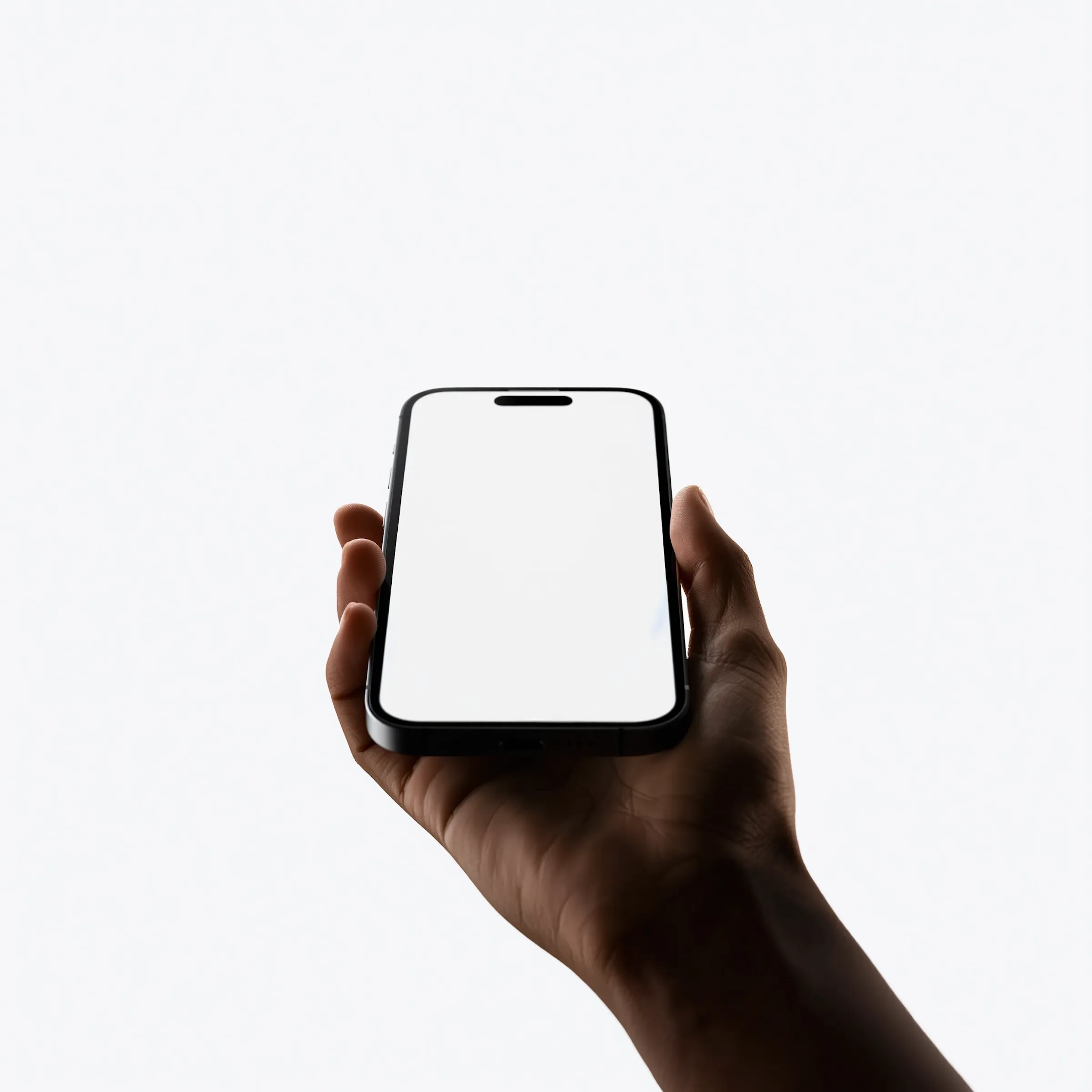

Why Human-Centered Design Still Wins

Design evolves quickly, but the most memorable digital experiences continue to be rooted in empathy. When you prioritize human needs—clarity, comfort, and intuitive flow—your product becomes more than functional. It becomes meaningful. Users instinctively understand where to go, what to do, and why your brand matters.

The Power of Emotional Connection

Emotion plays a critical role in digital behavior. A seamless, aesthetically balanced interface can guide actions subtly and effectively. When a brand communicates with clarity and calmness, users move through the experience with confidence. This connection isn’t accidental—it’s designed.

Key Principles for Human-First Digital Products

Here are foundational principles that ensure your design remains human, intentional, and memorable:

  • Reduce friction to help users complete tasks effortlessly.

  • Maintain visual clarity through spacing, hierarchy, and simplified layouts.

  • Use purposeful motion to guide attention, not distract it.

  • Focus on accessibility so every user can engage meaningfully.

  • Write with empathy to reinforce the brand’s human voice.

Balancing Strategy and Creativity

A strong digital product requires both structured thinking and expressive creativity. Strategy ensures your solutions align with business objectives. Creativity brings emotional impact. Together, they build experiences that resonate, convert, and endure.

The Future of Human Digital Design

As AI and automation shape new interaction patterns, designers must remain advocates for clarity and real connection. Technology should support humanity—not replace it. Those who master this balance will define the next generation of digital experiences.